Available Works
Please contact me to inquire about purchases or commissions. I’m happy to ship anywhere in the world!
Open to creative purchase plans and layaway. Prices are in Canadian currency.
Click on individual images for more details.
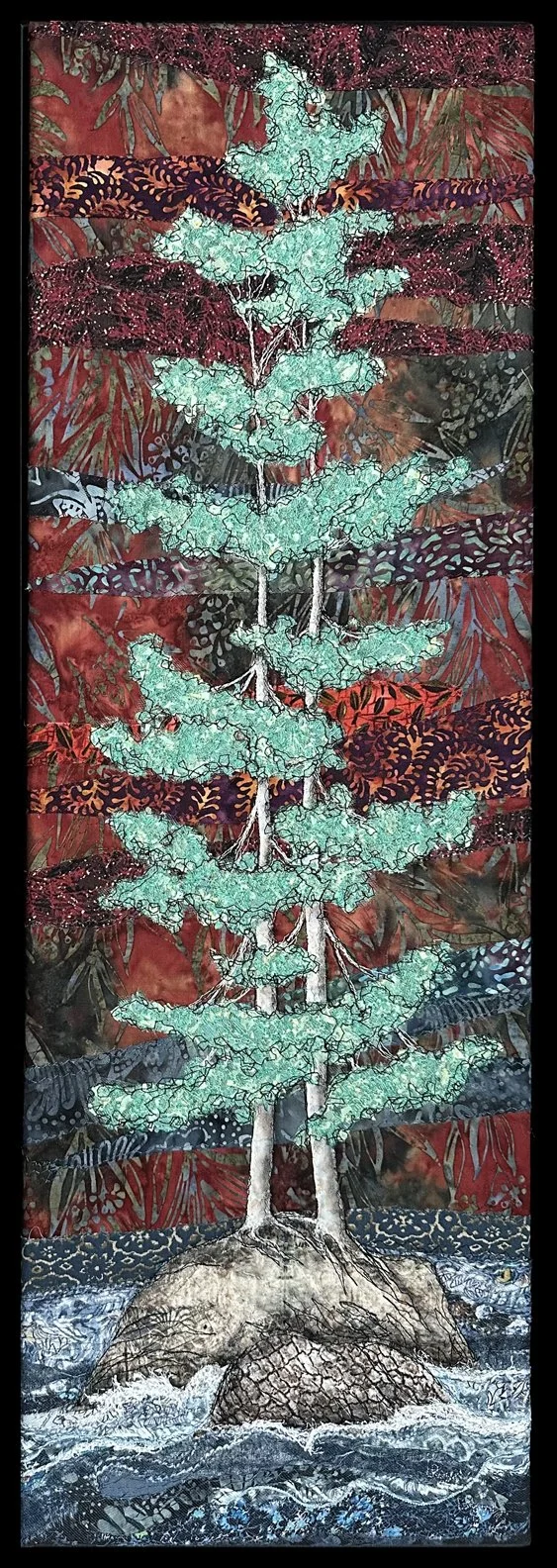
30×10” (includes black wood frame, 32×12”)
Channelling some of those little islands off the West Coast of Canada.
Available from my studio - contact me! Free shipping in Canada, at cost internationally.
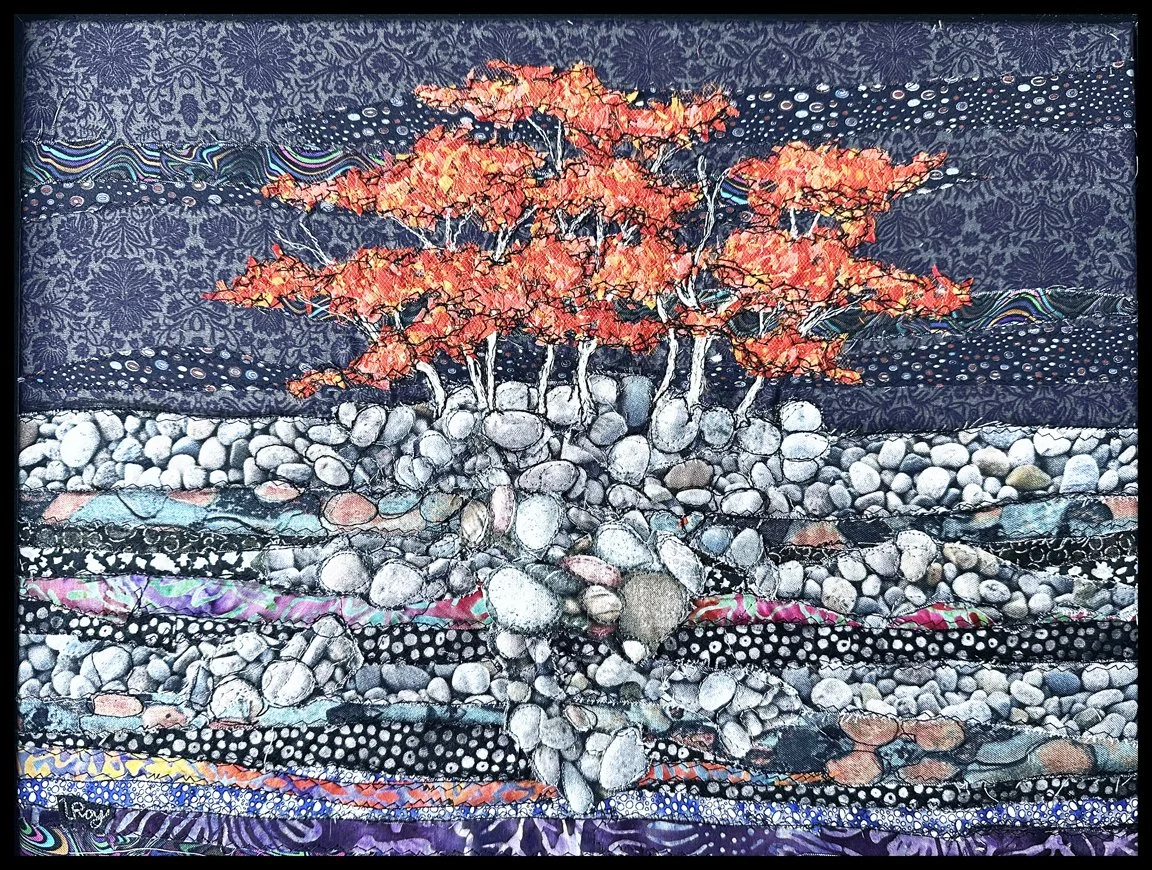
12×16” (includes black wood frame, 14×18”)
Staghorn Sumac is a common sight in Ontario, finding its roots in the most inhospitable locations. It pleases the eye in every season, from spring through winter with a variety of textures and colours. Here it is, in its full glory in the fall.
Now available at WildSide Gardens Gallery, Mahone Bay, Nova Scotia.
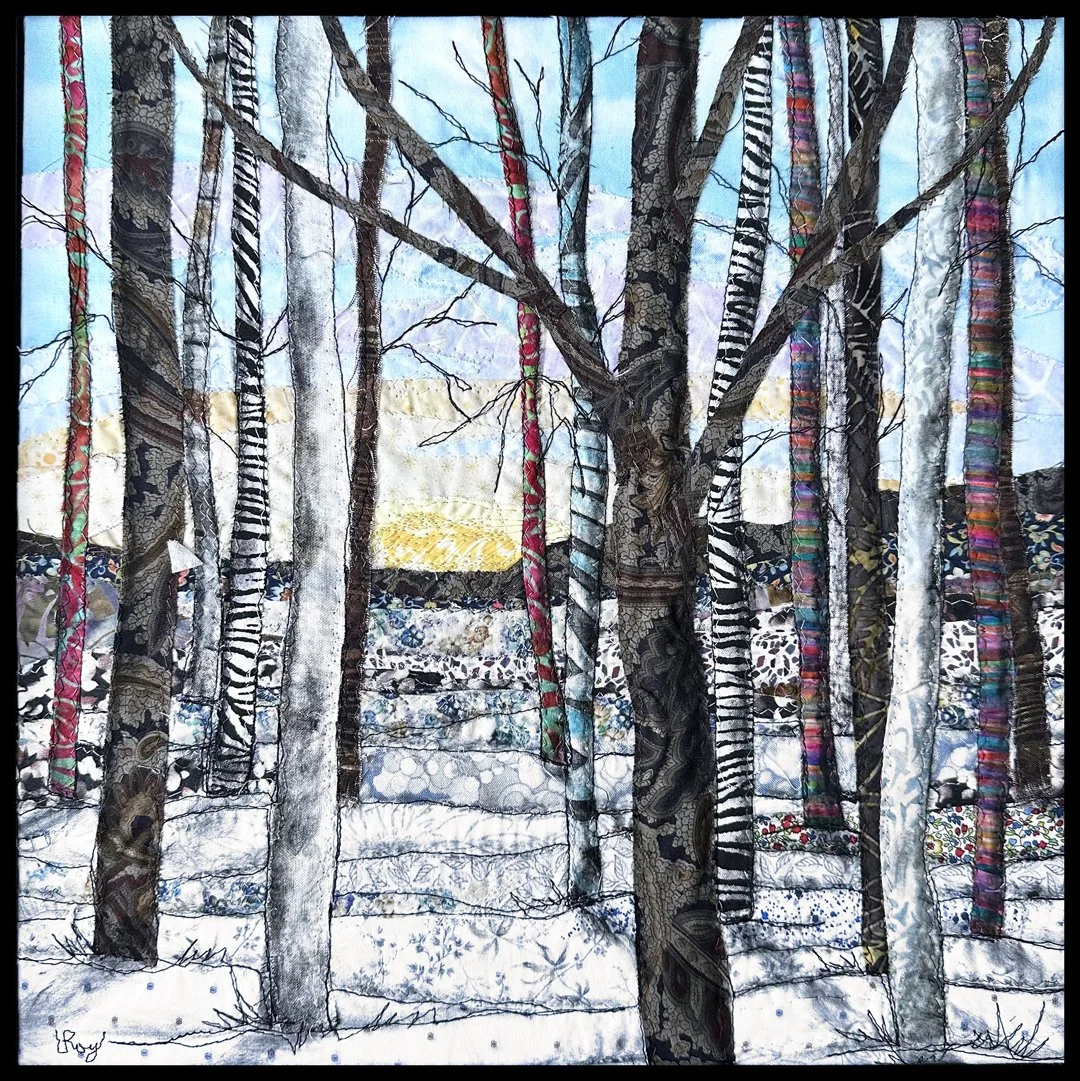
14×14” (includes black wood frame, 16×16”)
A crisp morning stroll through the woods, just as the sun rises. It’s going to be a beautiful day.
Now available at WildSide Gardens Gallery, Mahone Bay, Nova Scotia.
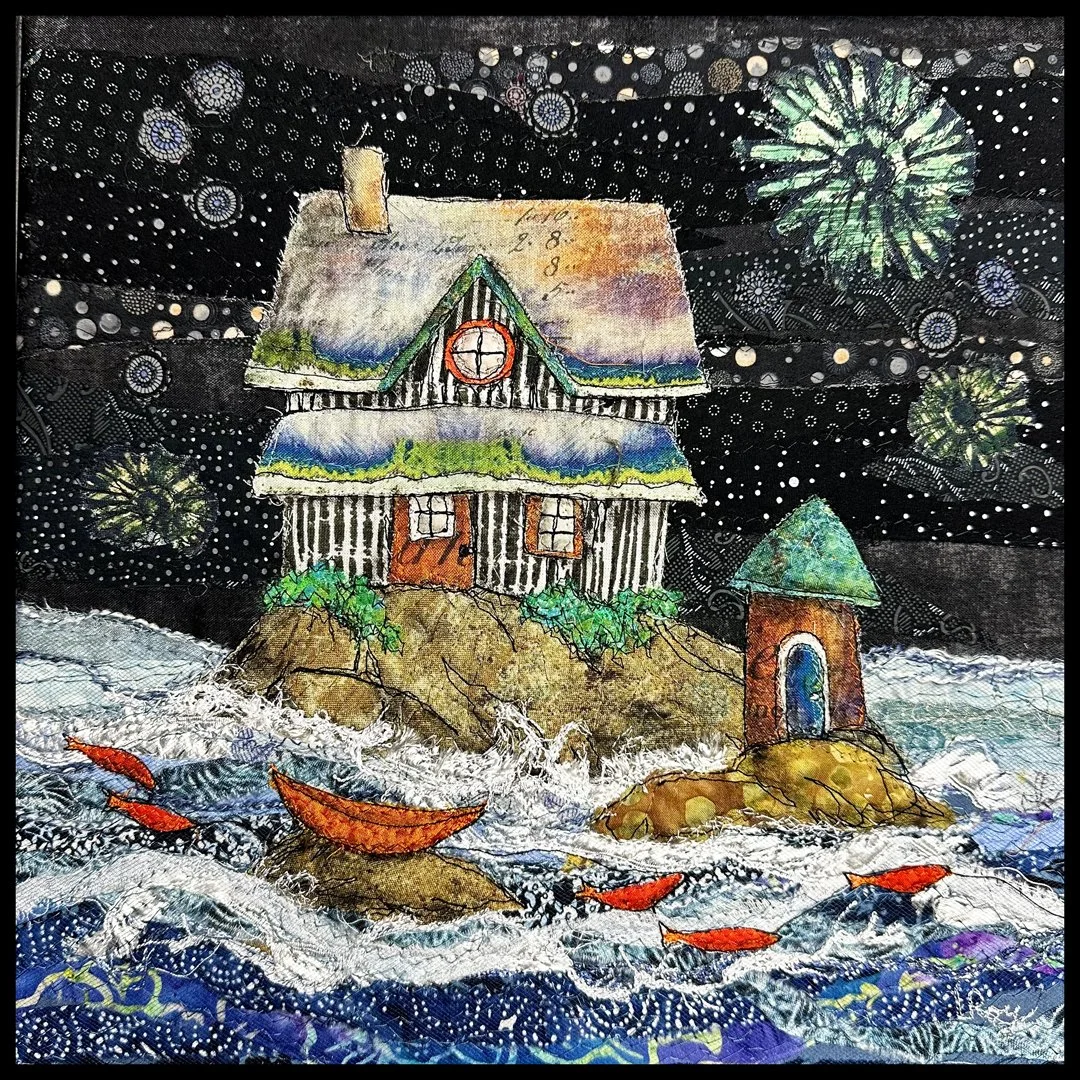
12×12” (includes black wood frame, 14×14”)
A remote island getaway to regroup and refresh.
Available from my studio. Contact me with your inquiry. Free shipping across Canada, at cost internationally.
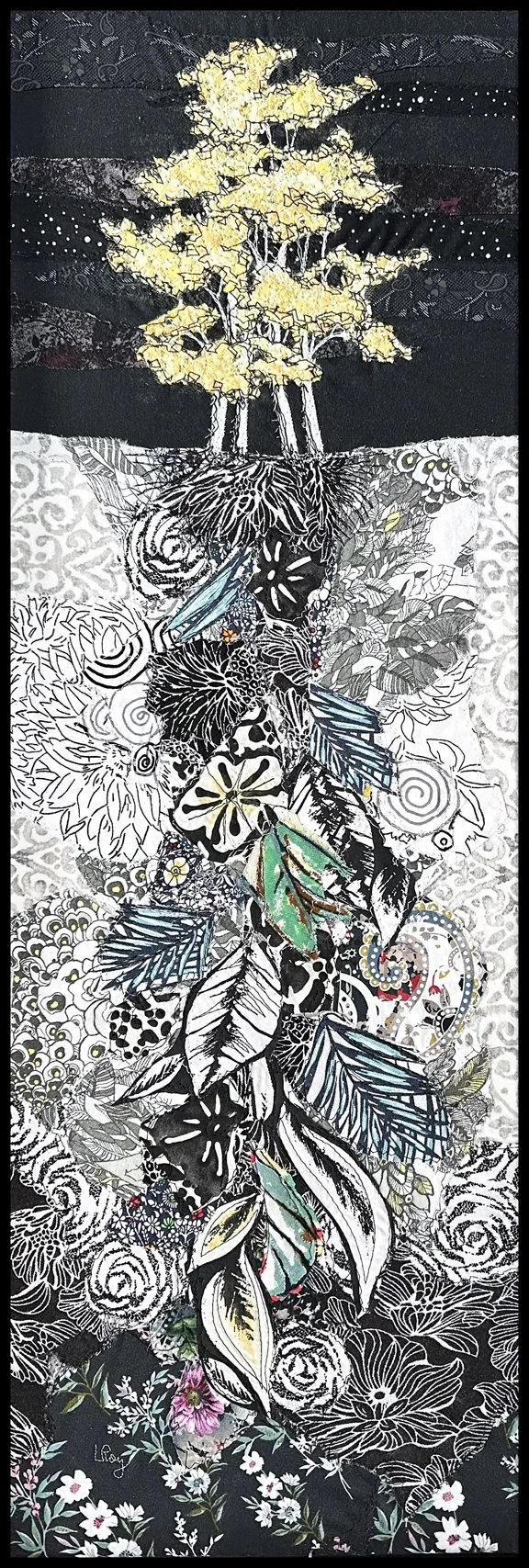
30×10” (includes black wood frame, 32×12”)
What lies beneath the skin of the earth is filled with with infinite mystery.
Available from my studio. Contact me with your inquiry. Free shipping across Canada, at cost internationally.
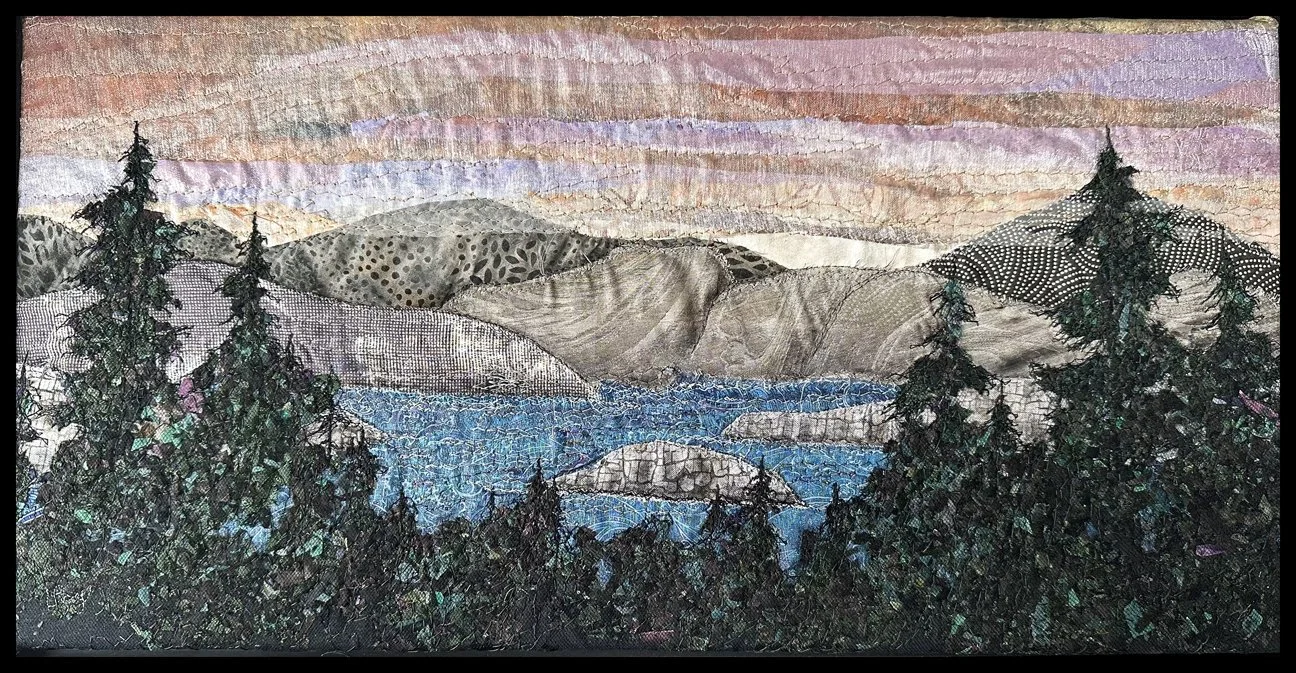
10×20” (includes black wood frame, 12×22”)
A Canadian West Coast scene, with warm sky and inviting waters.
Available from my studio. Contact me with your inquiry. Free shipping across Canada, at cost internationally.
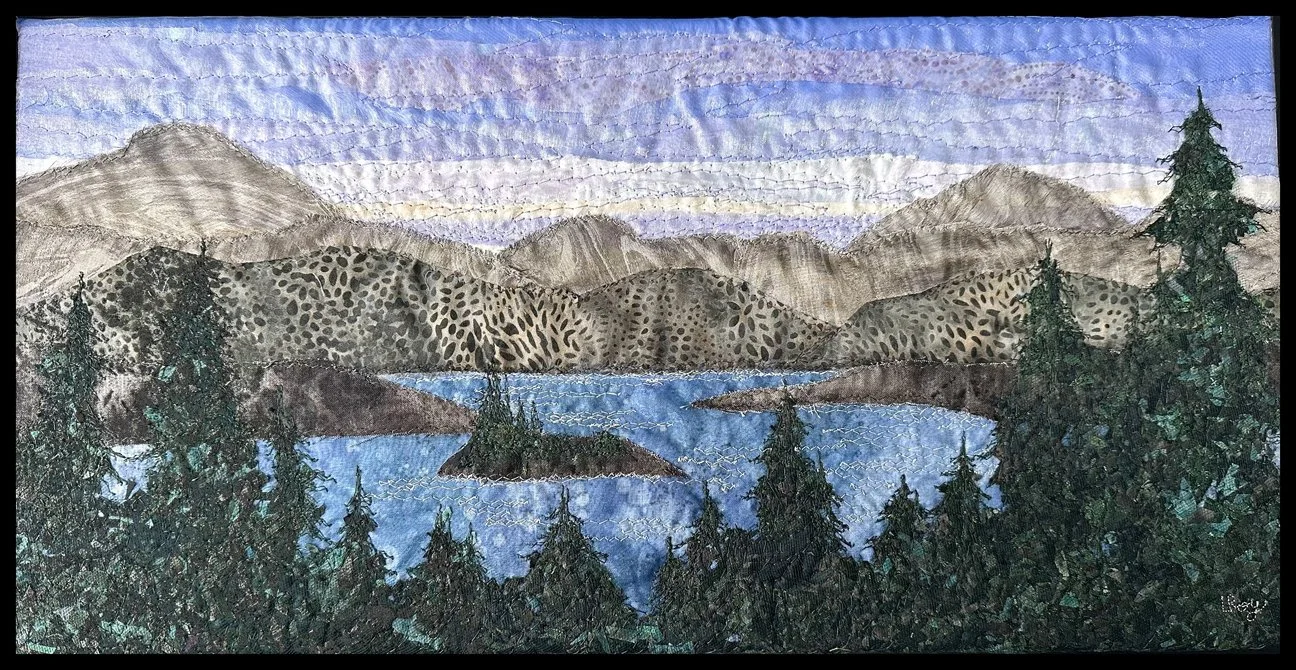
10×20” (includes black wood frame, 12×22”)
A Canadian West Coast scene, with cool sky and inviting waters.
Available from my studio. Contact me with your inquiry. Free shipping across Canada, at cost internationally.
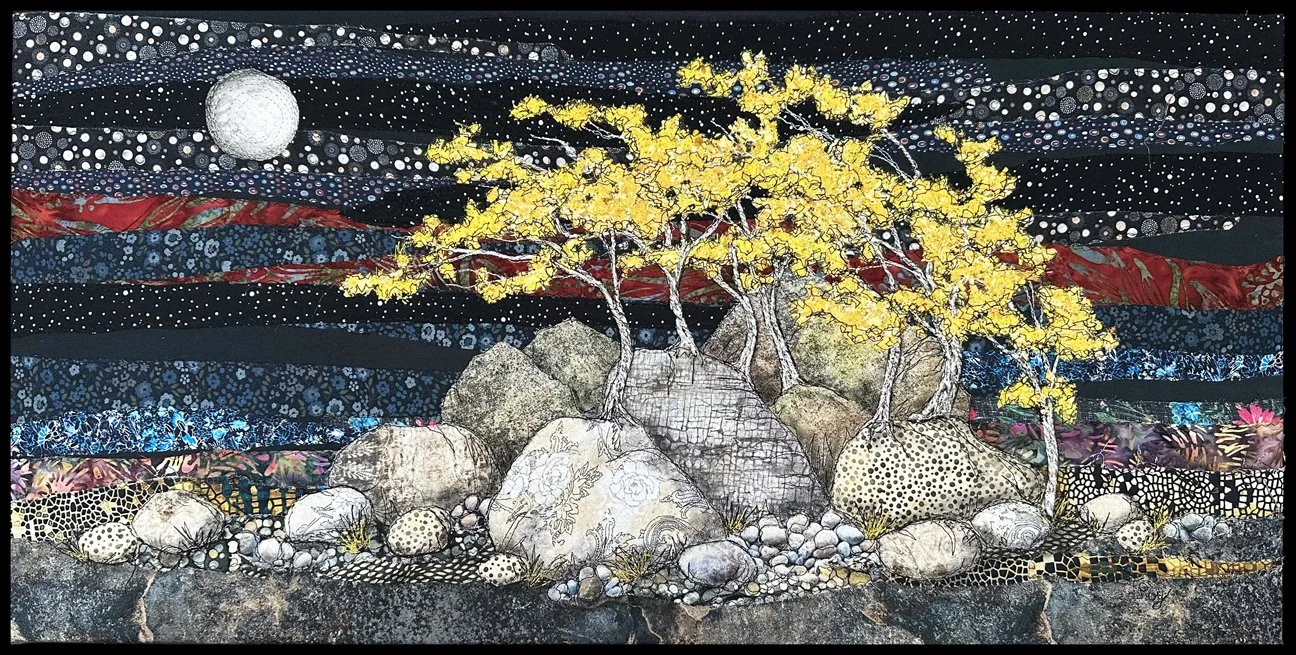
15×30” (includes 1.5” deep black wood frame, 17×32”)
A familiar feature of the natural lands of northern Ontario, with glacial outcroppings hosting hardy trees like paper birches.
Available from my studio. Contact me with your inquiry. Free shipping across Canada, at cost internationally.
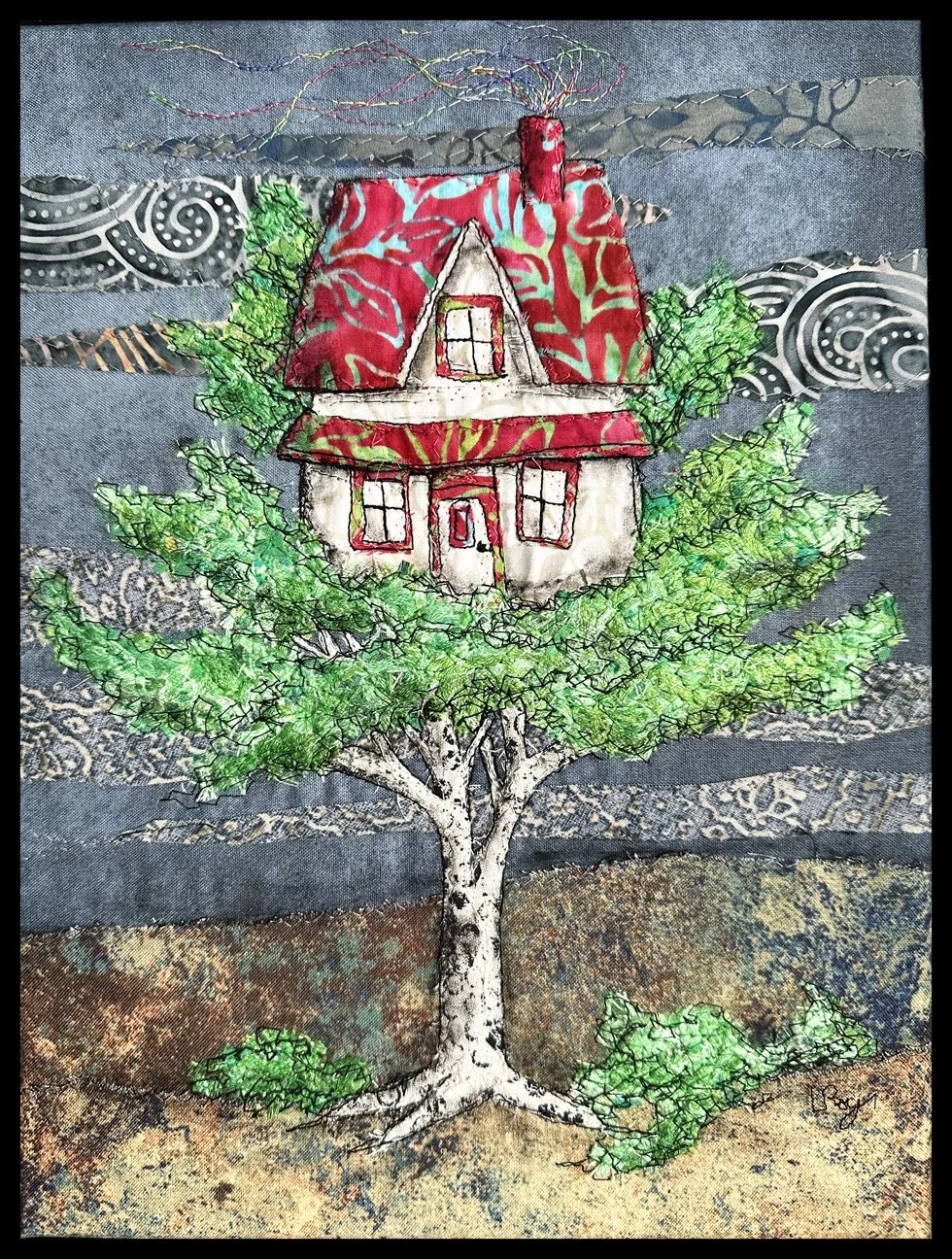
12×9” (includes black wood frame, 14×11”)
A quiet little retreat, just right for two.
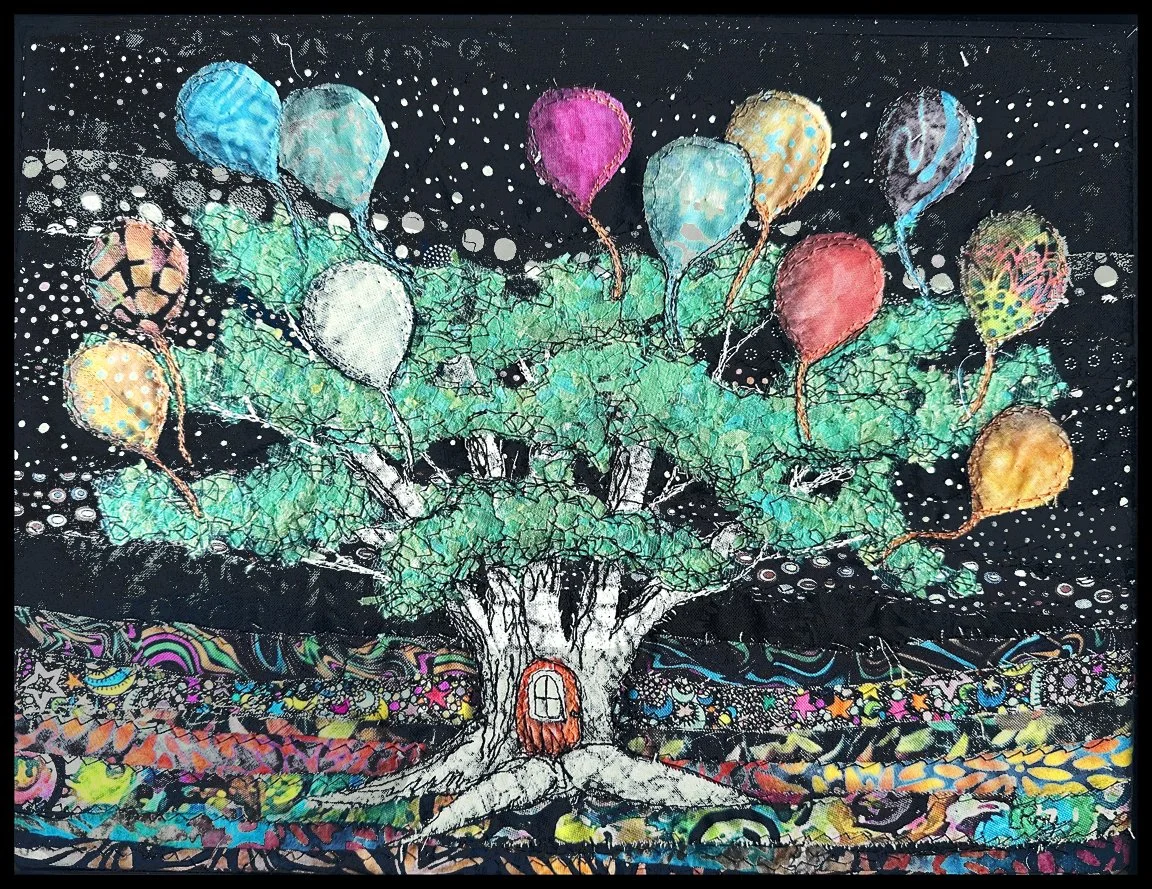
9×12” (includes black wood frame, 11×14”)
Here it is, the balloon tree of your dreams….
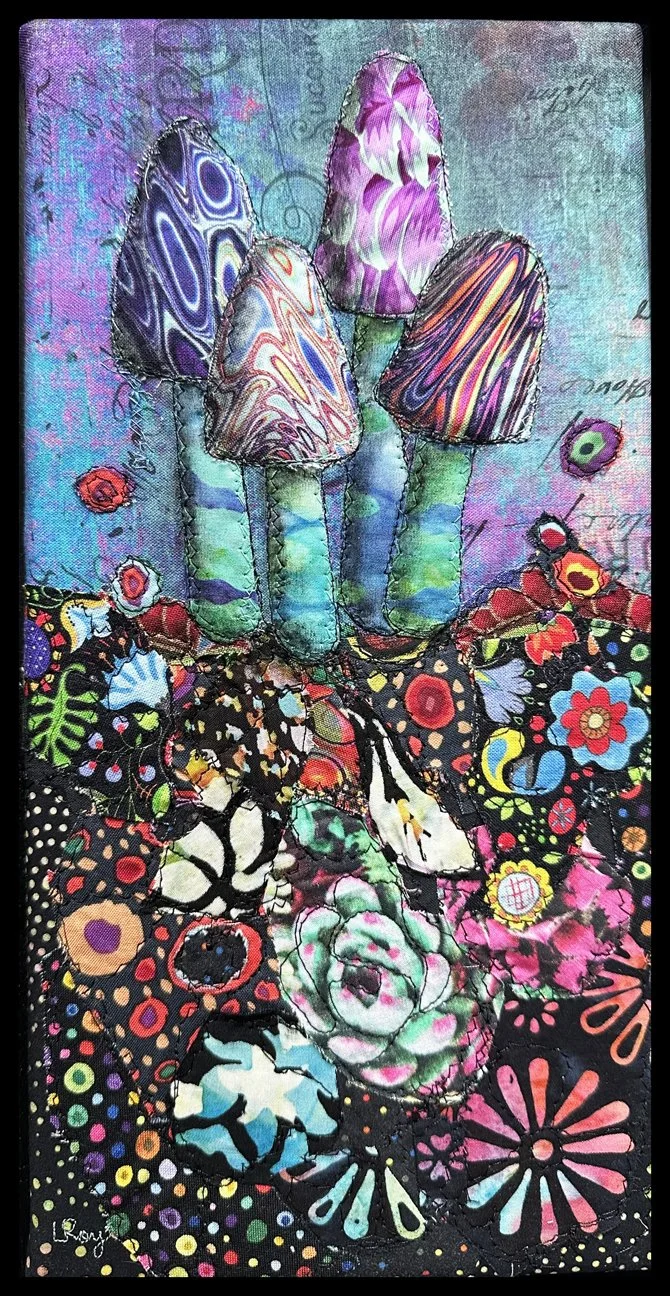
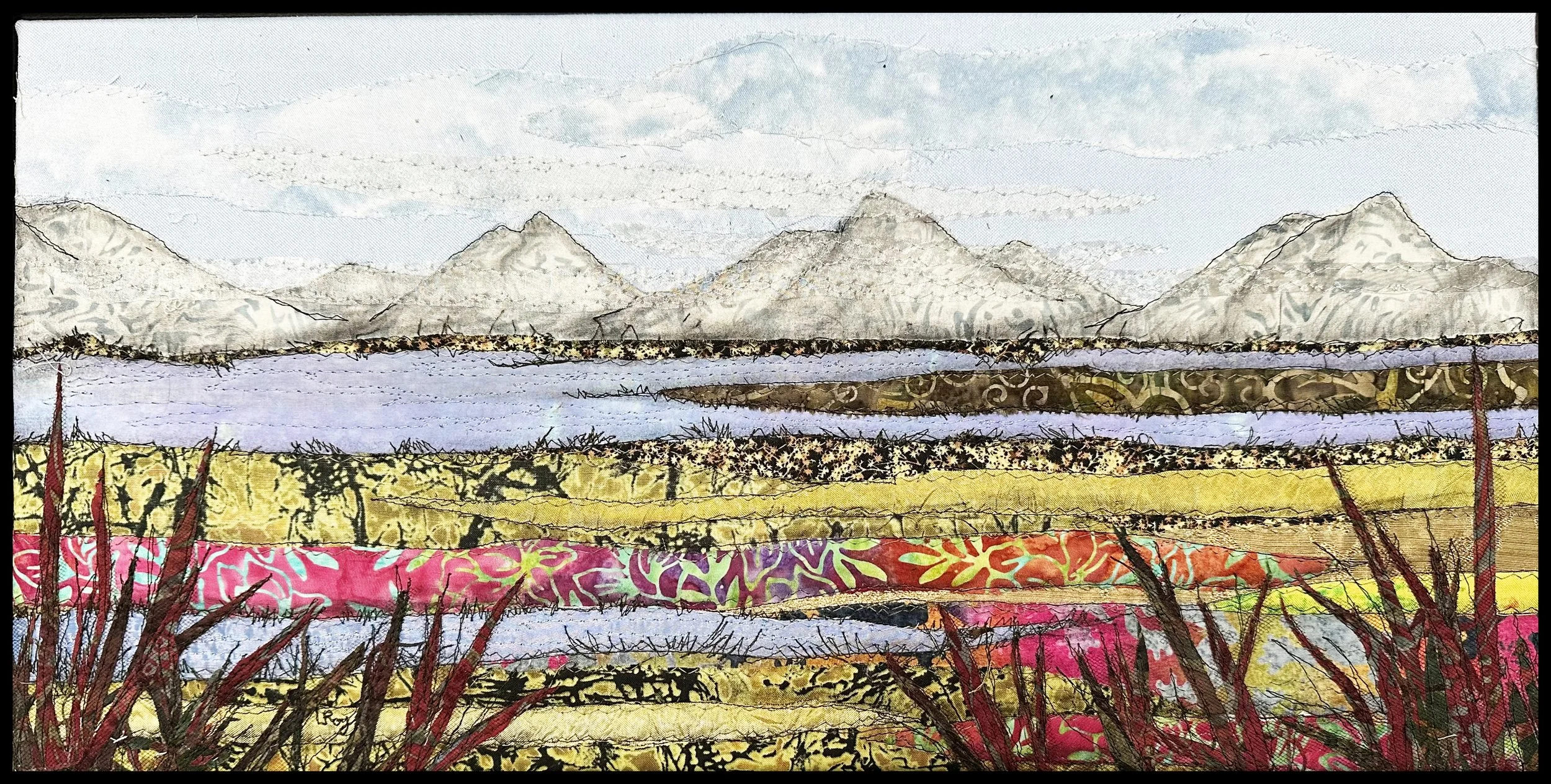
10×20” (includes black wood frame, 12×22”)
Image from a dream, a view from the flatlands on the East side of the Canadian Rockies.

8×16” (includes black wood frame, 10×18”)
$445
I grew up beside a river, always fascinated by the fish I could see just under the surface, rising and disappearing in complete mystery. I grew to love the fish as familiars, always there to guide me. In my pieces they symbolize support and kindredness.
Available from my studio. Contact me with your inquiry. Free shipping across Canada, at cost internationally.

12×6” (includes black wood frame, 14×8”)
When struggles and challenges finally yield the privilege of a broader perspective.
Available from my studio. Contact me with your inquiry. Free shipping across Canada, at cost internationally.
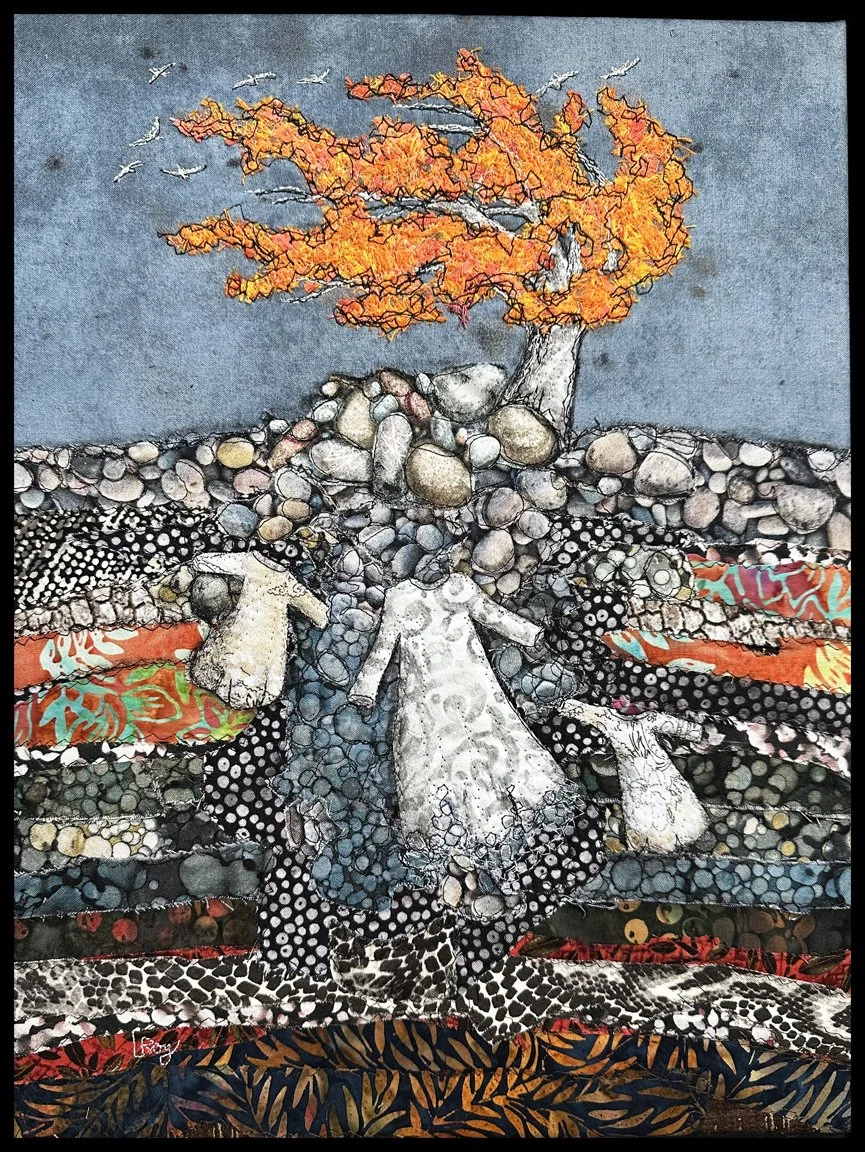
16×12” (includes black wood frame, 18×14”)
We are made of the earth, and the earth is made of us. We are part of the joyous cycle of life.
Contact me to purchase. Shipping is free in Canada, at cost internationally.
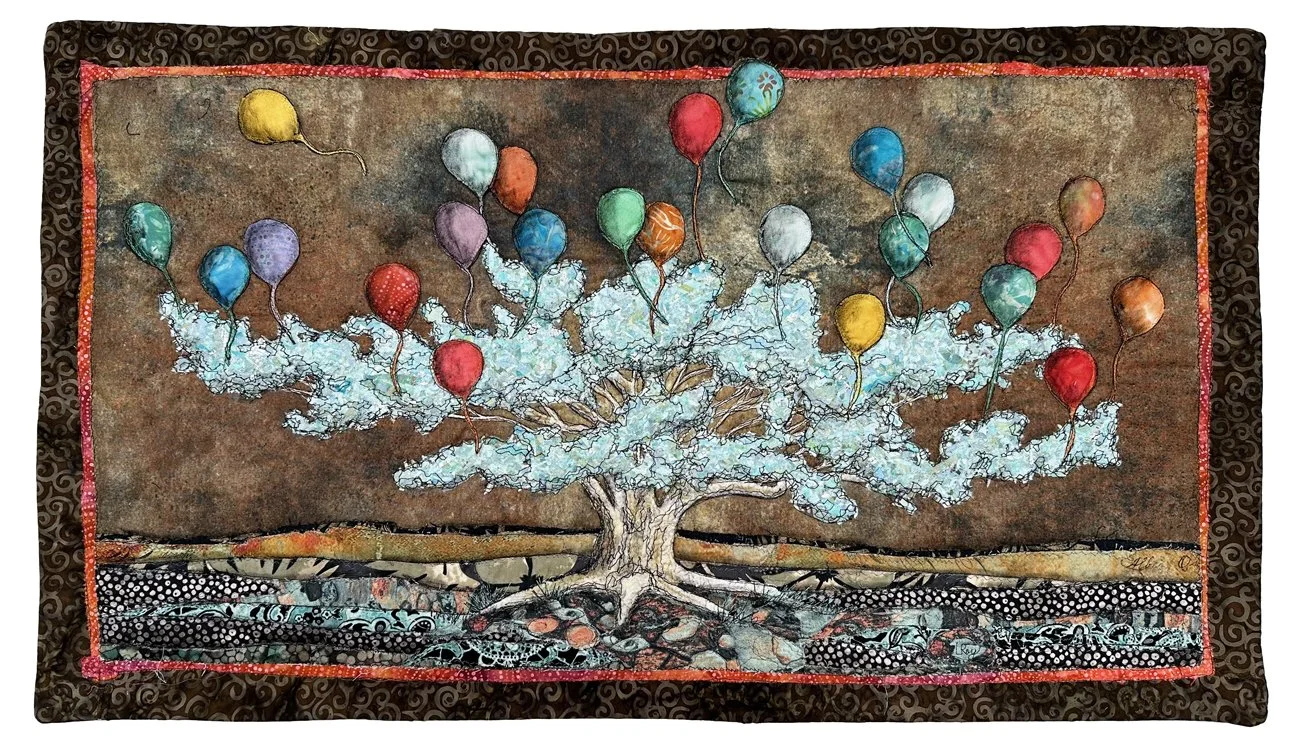
18×31” self-hanging fabric wall hanging
Everyone will have a unique interpretation of this image: we bring to it our own experiences and, hopefully, our adventurous imaginations.
Available from my studio. Contact me with your inquiry. Free shipping across Canada, at cost internationally.

30×10” framed textile (includes black wood frame, 32×12”)
Such a delightful challenge to achieve the effect of transparency.
Available from my studio. Contact me with your inquiry. Free shipping across Canada, at cost internationally.
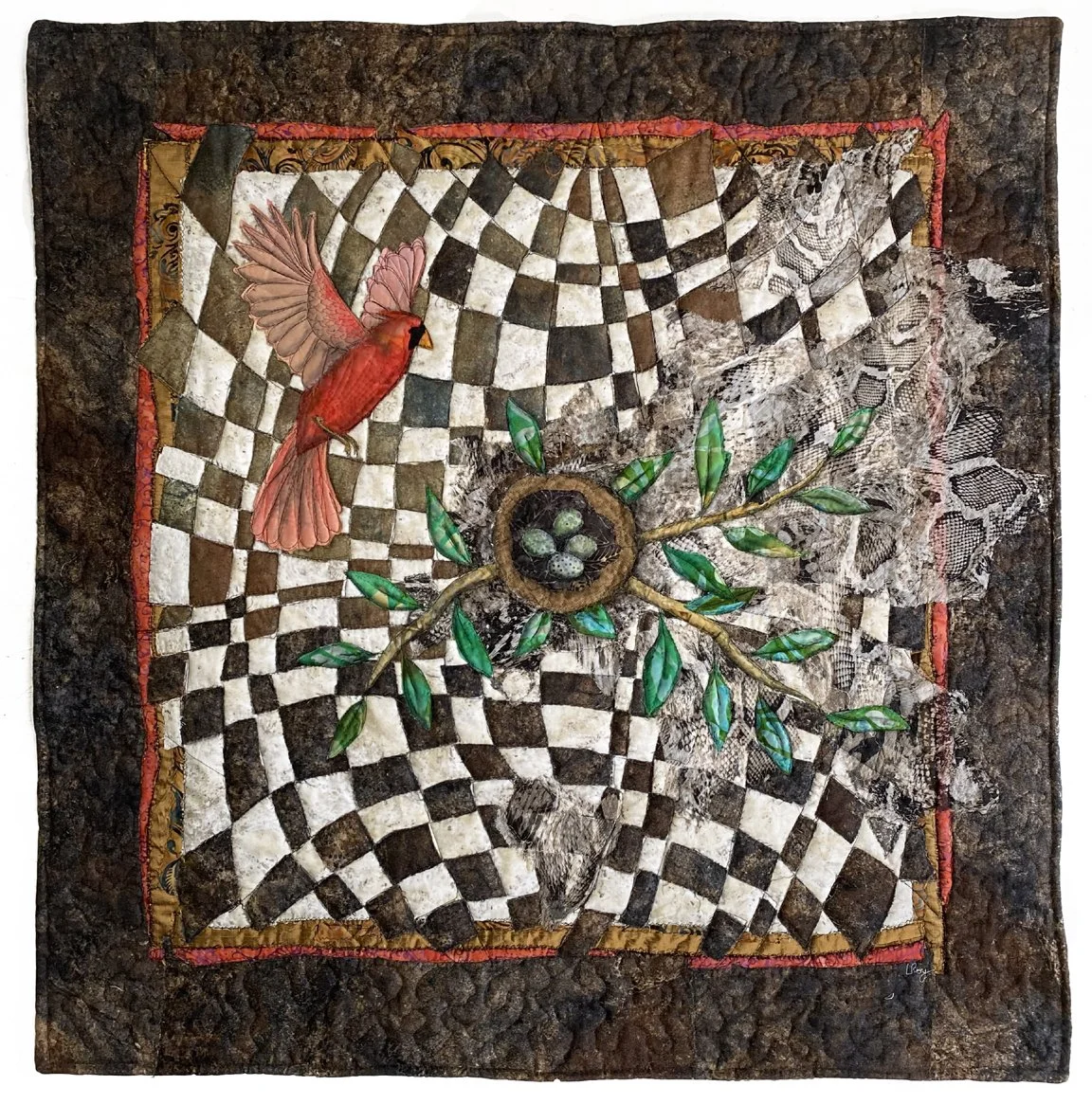
36x36" quilted wall hanging
From my celebration of birds that visit my property. Cardinals grace my feeder year-round, bringing plenty of colour and personality to the mix.
Available from my studio. Contact me with your inquiry. Free shipping across Canada, at cost internationally.
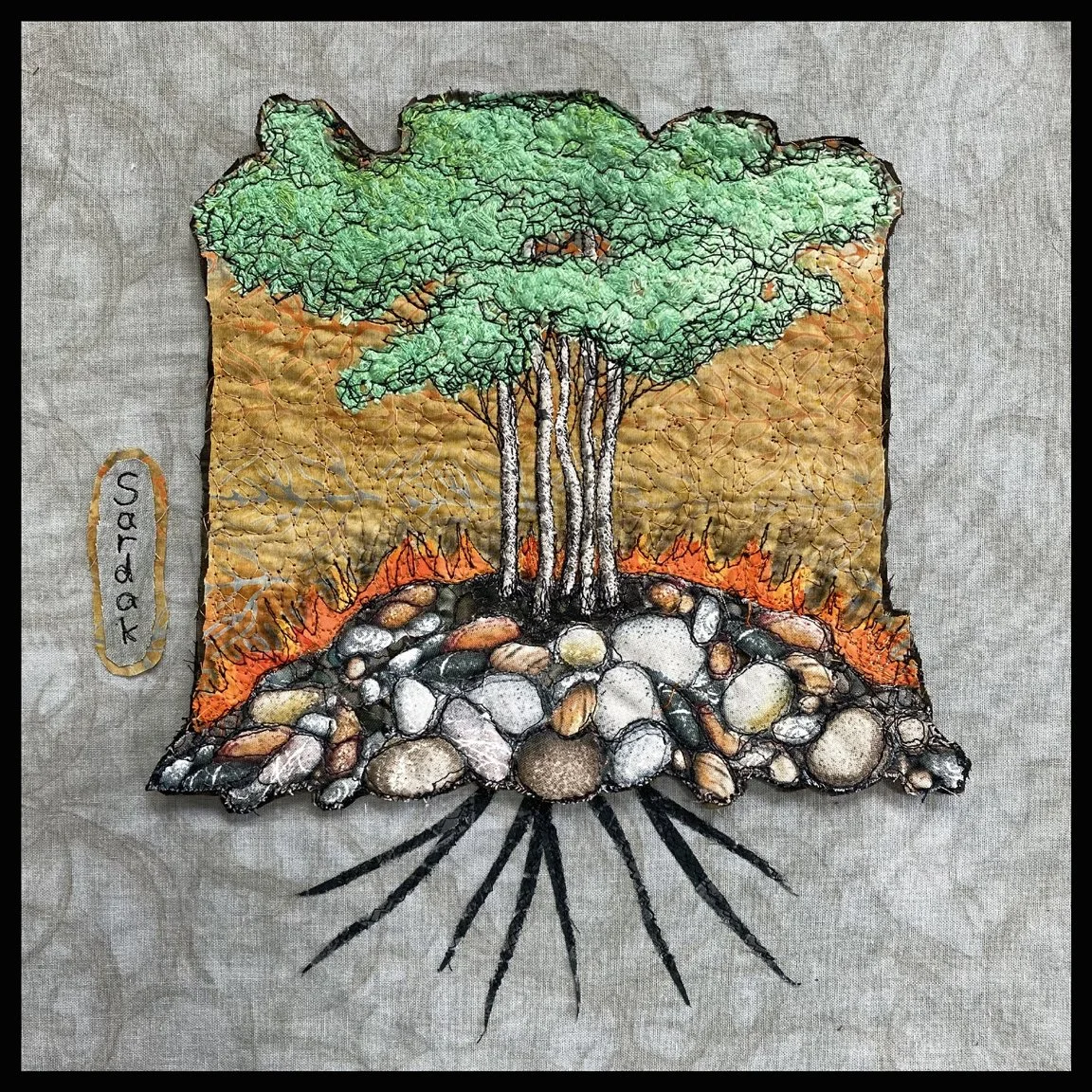
13×13" shadow box with gallery glass
Sardak: the ancestors and owners of the land
Language: Ladakhi
Region: Ladakh, India
The word sardak means much more than ‘owner of the land’’. The roots of the word, with their tentacles, meander and take us to the first person (the original sardak of a household) who established the first farm, which gave him/her the food, leading to the formation of his/her household. The household members created the first romkhang: the place where the dead person’s body was burnt to convert it back to soil and rocks. The following generations were also converted to dust in the same romkhang. Siblings parted ways and the number of households grew: new romkhangs were made. The new, however, must have a handful of the soil of the original romkhang. So all the people who found a place in the romkhang are dakpos; owners of the land (sardak).
Romkhang, is an odd word. It means the house (khang) of the dead body (ro). But the body is not just a body; it also is soil/land. Dust in any romkhang is a mixture of the bodies of the ancestors. The grove of trees, a feature of the village landscape, owes its existence to them.
In my interpretation, the dust of the sardak, rooted deeply in the land, nourishes a grove of birch.
For the full description, along with pronunciation, map and short video, click HERE.
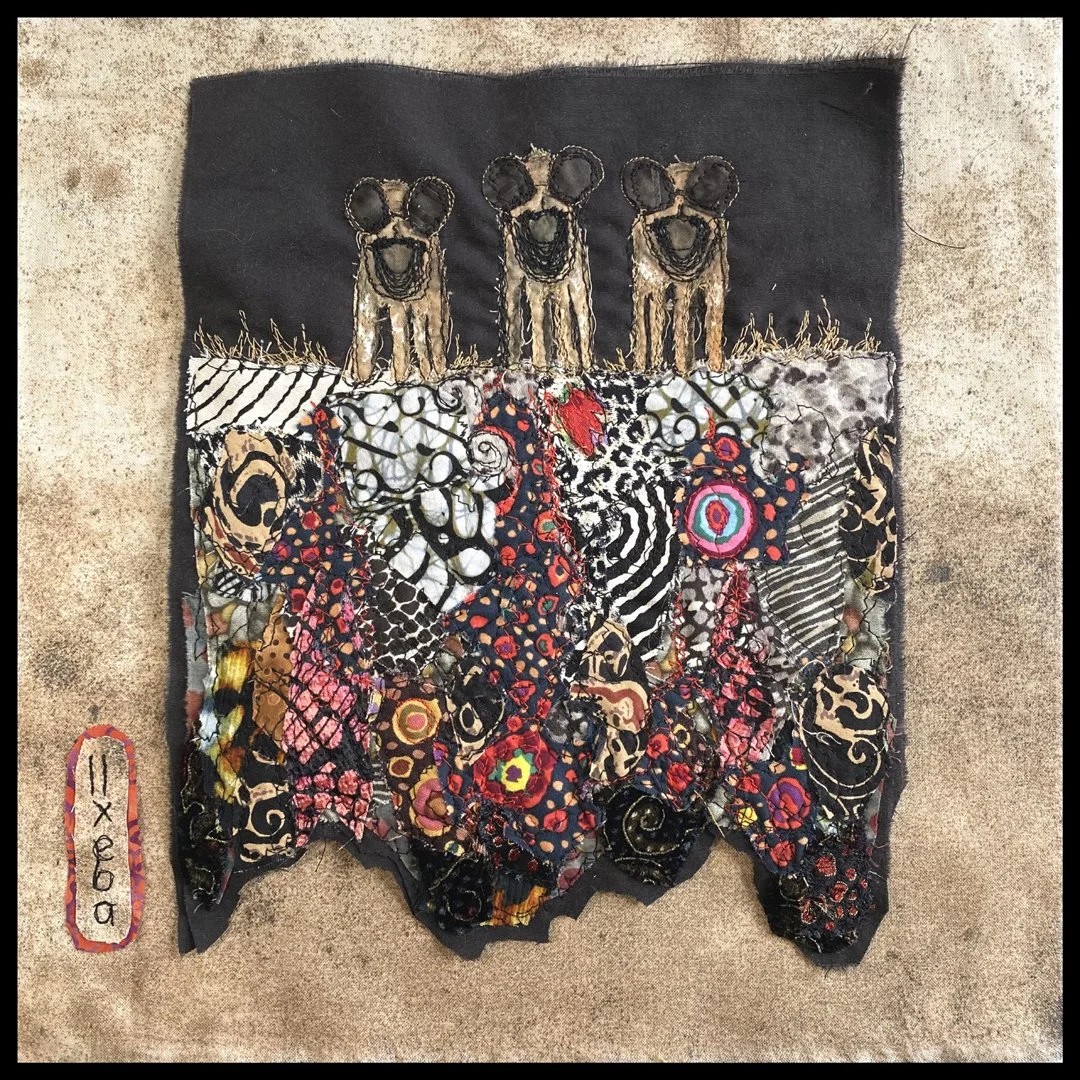
13×13" shadow box with gallery glass
IIXéba: African Wild Dog
Language: Khwedam
Region: Northeastern Namibia
The Khwe, like other hunter-gatherers of Southern Africa, have a special relationship to the African Wild Dogs. The Khwedam name for them is ||Xéba but they are also referred to as Khyanici Tooapa, the sacred dogs of the female God. The Namibian Khwe community respect and fear these predators, and assign them special powers.
When cattle people arrived in Southern Africa some 2000 years ago, they started killing the African Wild Dogs as the dogs went after their cattle.
The three dogs in this piece were inspired from a photograph by Dale R Morris. Here they stand, perhaps defiant, perhaps curious, while their beautiful, complex world burns beneath them.
For the full description, along with pronunciation, map and short video, click HERE.

13×13" shadow box with gallery glass
Maloka: Ancestral longhouse
Language: Murui (Uitoto)
Region: Amazon region, Colombia
The ancestral and spiritual longhouse of the Murui-Muina, the Maloka, houses multiple families who cook and hang their hammocks in separate spaces. It is where the men chew coca and tobacco and where the women prepare sweet yuca, and where the elders gather to discuss and manage the affairs of the community. It is also where the dance of the Yadico (the Dance of Unity) takes place. In this process, which takes 15 days to prepare and lasts through the night, the Murui endeavour to heal the tensions and disagreements that arise within and between their communities. Resentment and discord are dissipated and the community re-weaves its harmony.
At the same time, the whole community gathers to strengthen and heal its intimate relationship with the natural world, and transmits the ancient wisdom and practices to their children and young people.
I have placed the Maloka at the top of a woven cloth interspersed with green forest leaves, to show that the forest is an intimate part of the life of the Murui. A harmonious connection with nature is as important as closeness within the community, and the Maloka is the centre of this connection.
For the full description, along with pronunciation, map and short video, click HERE.

36" quilted wall hanging
Available from my studio. Contact me with your inquiry. Free shipping across Canada, at cost internationally.
This forest map shows connections between a large Mother tree and younger, smaller trees... which in turn are connected to others and to each other. This piece was inspired by a research map which traced mycorrhizal connections in a 30 x 30 m plot of Douglas Fir. Larger trees were found to be much more connected, and one of them was directly traced to 47 other trees. These mutual connections help stabilize the forest’s ecosystem.
Fungi form a bridge from one set of roots to another, not unlike the synapses between nerve cells. The stringy white hyphae of the fungi act like fiber optic cables, transmitting messages and nutrients along pathways between trees of same or different species. The rhizosphere crackles with chatter. The effect of the resulting stable environment radiates to all living creatures within its boundaries. Everything is connected.
Read more about the beginnings of my journey with this project HERE.
"If I were an alien from outer space I would see the map of this forest as a single live fabric...The forest grows like a complex membrane at the interface of solid rock and gaseous atmosphere, drawing from and contributing to both. Only when one gets close to it, armed with a field guide, perhaps, can one pick out each biological stitch and give it a name, a spurious separateness, which - in its intricately threaded life - it doesn't have and never has had. The fabric can be revealed, worn, made dull... We can crush, snip, and wear it away."
Diana Kappel-Smith - Wintering
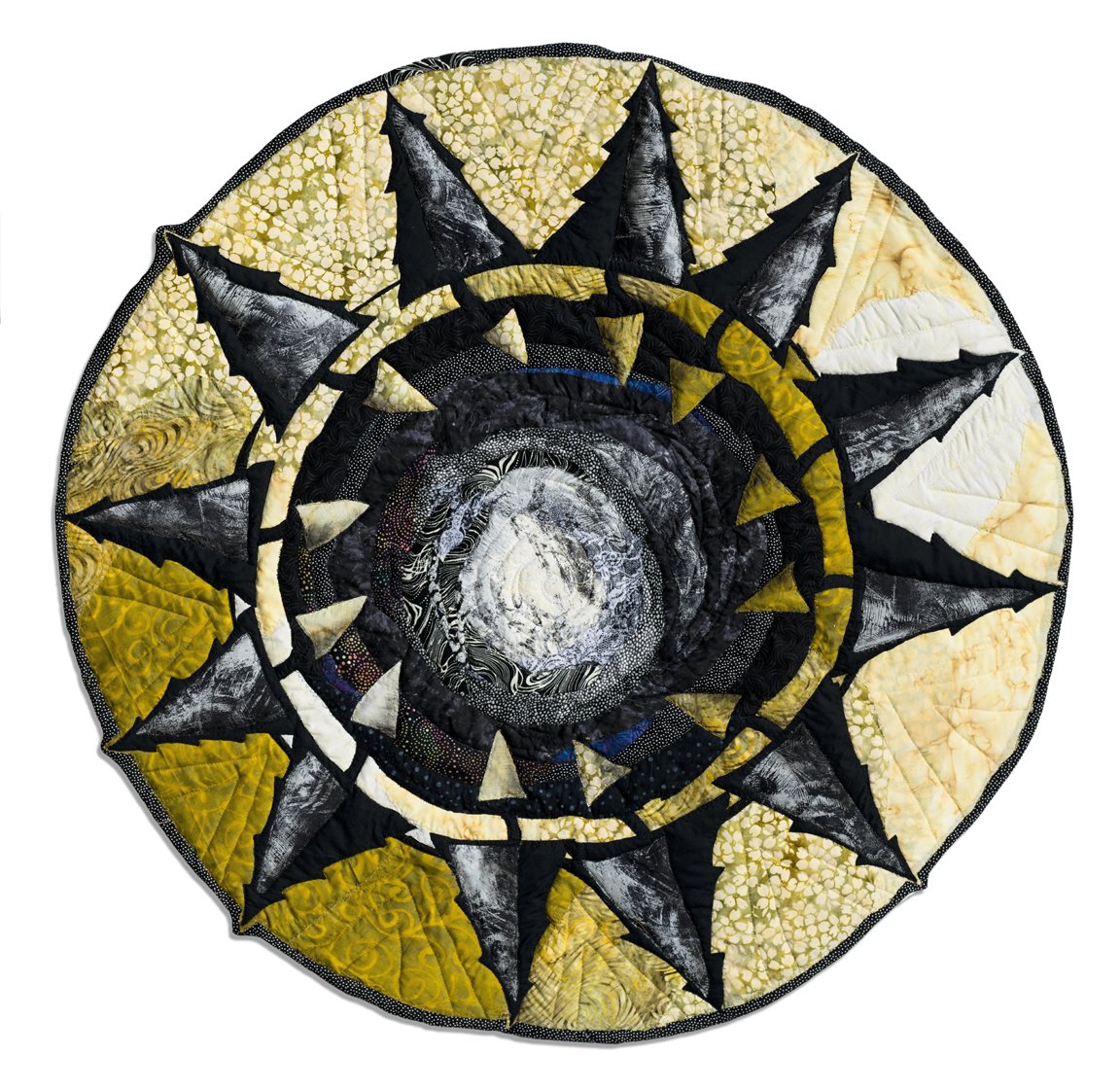
43" round quilted wall hanging
$1900
A compass one might consult if lost in the forest... if only to confirm there are trees in all directions.
Available from my studio. Contact me with your inquiry. Free shipping across Canada, at cost internationally.

39” round fabric wall hanging
Light and love from the sun!
Available from my studio. Contact me with your inquiry. Free shipping across Canada, at cost internationally.
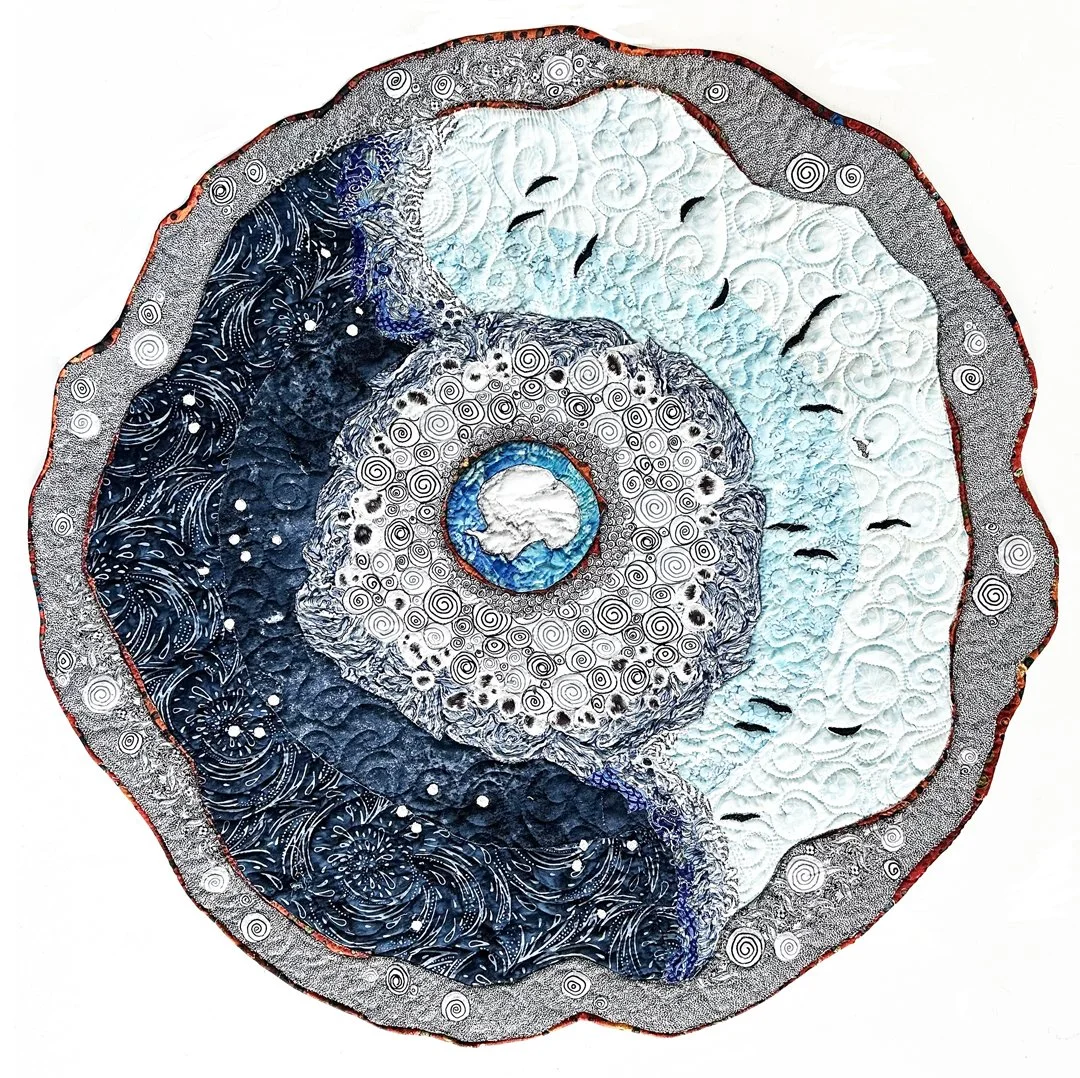
40" fabric wall hanging
Available from my studio. Contact me with your inquiry. Free shipping across Canada, at cost internationally.
No Word: a continent without words
Language: No indigenous language
Region: Brunt Ice Shelf, Antarctica
‘There are no voices from this frozen continent. There are no people to speak for here, to break the silence. But the stillness above does not tell of the turmoil below. Who speaks for this place? Who will hear, who will listen, as ice tears itself apart?’
"No Word" speaks for a land that never hosted an indigenous human population. However this continent is not without sound... the heaving ice, the wind, the many species of birds, and a few hardy mammals add their voices. The centre of this piece features the continent, nested in water. Water molecules are packed evenly around it in the form of ice, but are slowly released as water, then into the air. There are only two seasons in the Antarctic: Winter and Summer.
For the full description, along with pronunciation, map and video, click HERE.
12×12” (includes black wood frame, 14×14”)
A quiet passage through the woods.